
Introduction
Natural Killer (NK) Cell Therapy has emerged as one of the most discussed immune-based regenerative approaches in modern healthcare. However, successful NK cell treatment begins long before the infusion itself. A comprehensive medical evaluation is essential to determine patient suitability, identify potential risks, and create a personalized treatment strategy.
At every stage, safety and proper clinical assessment should come first. NK cell infusion is not a routine IV procedure—it requires careful review of immune function, overall health status, inflammation levels, and infection risks.
Why Pre-Infusion Assessment Matters
Before receiving NK cell therapy, physicians must understand a patient’s current health condition. These assessments help:
- Determine whether NK cell therapy is appropriate
- Identify medical conditions that may require attention first
- Reduce potential treatment-related risks
- Develop a more personalized treatment plan
- Establish baseline measurements for future monitoring
A thorough evaluation helps ensure that treatment decisions are based on medical evidence rather than assumptions.
1. Baseline Safety Assessment
The first step is a comprehensive health review to assess overall medical fitness.
Medical History Review
Doctors typically evaluate:
- Previous illnesses and medical conditions
- Allergy history
- Infection history
- Cancer or tumor history (if applicable)
- Current medications and supplements
Physical Examination
A clinical examination may include:
- Blood pressure measurement
- Heart rate assessment
- Body temperature evaluation
- Weight and general health review
Laboratory Testing
Common baseline laboratory tests may include:
- Complete Blood Count (CBC)
- Hemoglobin levels
- White blood cell counts
- Platelet counts
- Electrolyte analysis
- Liver function tests
- Kidney function tests
Coagulation Assessment
Blood clotting evaluations such as:
- D-dimer testing
- Coagulation profile analysis
These tests help assess bleeding and thrombosis-related risks before treatment.
2. Immune Function Assessment
Understanding the immune system is one of the most important parts of NK cell therapy planning.
Lymphocyte Subset Analysis
This assessment evaluates key immune cell populations, including:
- T Cells
- B Cells
- Natural Killer (NK) Cells
The results provide a clearer picture of overall immune status.
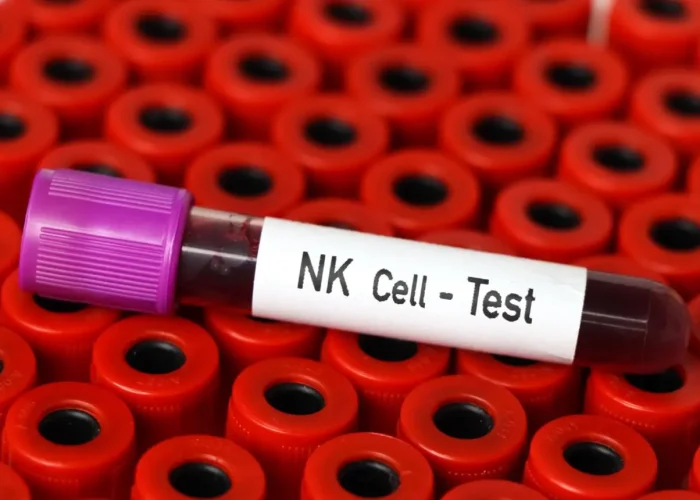
NK Cell Count Evaluation
Healthcare providers may measure:
- Total NK cell numbers
- NK cell percentages
- Relevant immune markers such as CD3−CD16+CD56+
NK Cell Activity Testing
Presence alone is not enough. Doctors may also evaluate whether NK cells are functioning effectively and responding appropriately.
3. Inflammation and Infection Screening
Inflammation and infection can significantly influence treatment decisions.
Inflammatory Marker Testing
Common markers include:
- C-Reactive Protein (CRP)
- High-Sensitivity CRP (hs-CRP)
- Erythrocyte Sedimentation Rate (ESR)
Elevated markers may indicate ongoing inflammation that requires further investigation.
Infection Screening
Patients may undergo screening for:
- Hepatitis B
- Hepatitis C
- HIV
- Syphilis
- Other clinically relevant infections
Active Infection Considerations
If a patient has:
- Fever
- Active infection
- Significant acute inflammation
Treatment may be postponed until the condition is properly managed.
4. Optional Additional Evaluations
Depending on individual health status, physicians may recommend additional tests.
Metabolic Health Assessment
- Fasting Blood Glucose
- HbA1c Testing
These evaluations are particularly important for individuals with diabetes or metabolic health concerns.
Cardiovascular Screening
Additional assessments may include:
- Electrocardiogram (ECG)
- Chest X-ray
- Other cardiac imaging studies
Especially for older adults or patients with underlying cardiovascular conditions.
Specialized Screening
In selected cases:
- Tumor-related assessments
- Pregnancy-related evaluations
- Additional physician-directed investigations
may be recommended based on clinical judgment.
Benefits of Proper Pre-Treatment Evaluation
A structured assessment process helps:
Improve Patient Safety
Potential risks can be identified before treatment begins.
Support Personalized Care
Treatment plans can be tailored according to individual immune and health profiles.
Optimize Treatment Planning
Physicians can determine appropriate treatment timing, frequency, and monitoring strategies.
Establish Baseline Data
Future progress can be compared against pre-treatment measurements.
Key Takeaway
NK cell therapy should never begin with infusion alone. Proper medical evaluation, laboratory testing, immune assessment, and infection screening are critical components of responsible patient care.
The goal is simple: Evaluate first. Infuse second.
A personalized assessment allows healthcare providers to determine whether NK cell therapy is appropriate and helps support safer, more individualized treatment decisions.